Case study
Viritopia
Business: Global living wall experts
Work: Website strategy, design and build
Build: Webflow
View website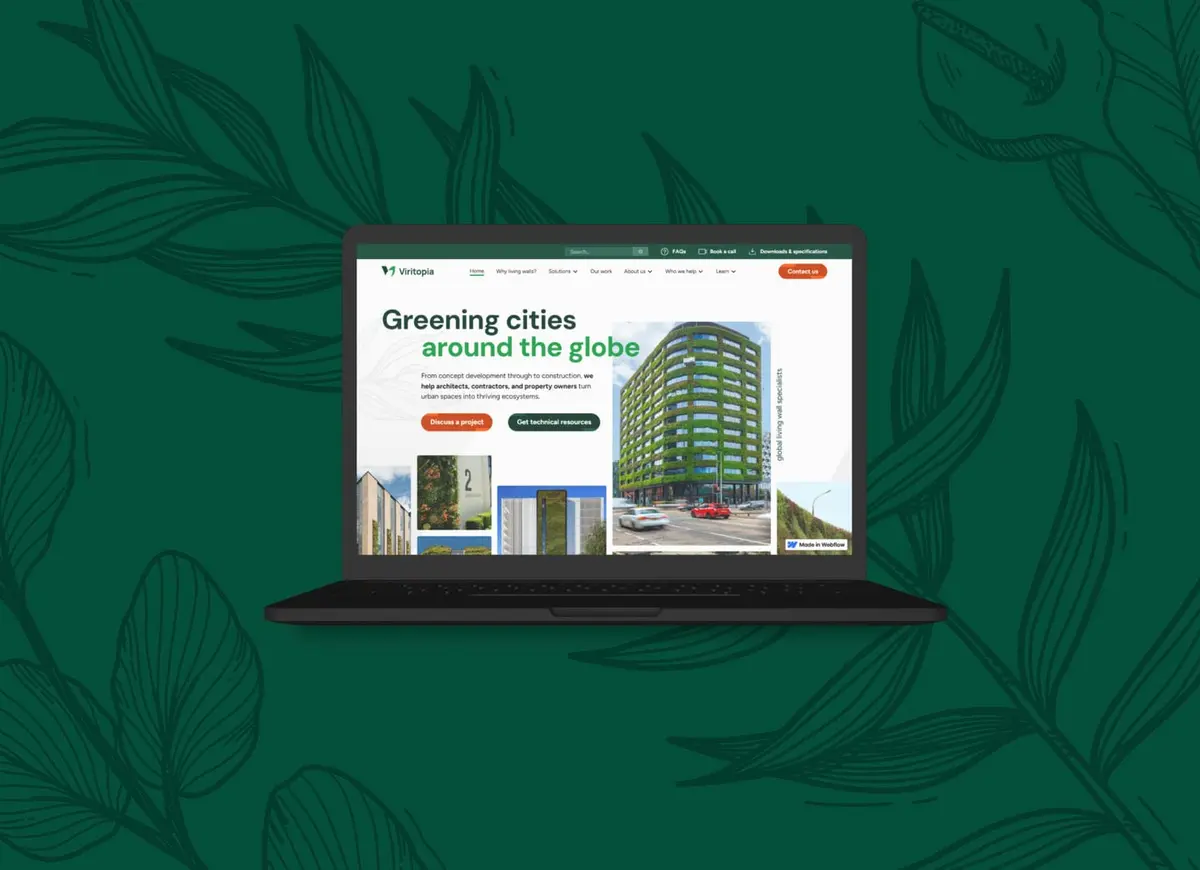
Viritopia are world leaders in green infrastructure. They specialise in living walls with the goal of improving biodiversity, urban greening and property value.
They work on big projects with bigger impact, including the largest and tallest green walls in the world.
They asked me to redesign and rebuild their website so it finally matched the calibre of their work and helped the business grow in a measurable, low-carbon way.
We launched a new Webflow site with a strategy-first backbone. The results speak for themselves:
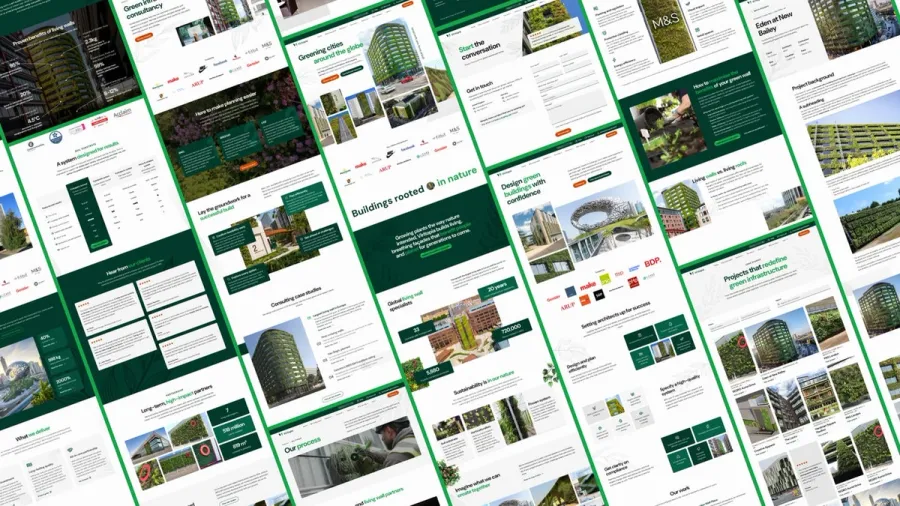
On the old site, top-level pages were broad, CTAs were inconsistent, and valuable content was buried. That hurt discoverability, conversion, and authority.
The value proposition wasn’t clear enough for each audience. People had questions about systems, regulations, and feasibility. But, the site wasn’t answering them at the moment of intent. Users were bouncing or just moving laterally between pages. Absorbing information, but not moving to the point of interacting with the business.
Additionally, internal workflows (forms, analytics, integrations like Salesforce and Pardot) needed to be simple, compliant, and reliable. Oh, and not to mention the original website had over 630 pages...
SEO equity lived across a tangle of legacy URLs, including a bunch of older links referencing their old brand (ANS Global). Many pages were about green roofs, which had dropped to a lower business priority internally compared to living walls, but the website didn’t reflect that. A lot of old or irrelevant content was cut out.
This was a big challenge and big cull of content. It’s something we’re still working on, as of course that extra content brought in some traffic which is now lost, but that’s fine as those visitors were the wrong audience. And, spoiler alert, as you’ll see in the results, key conversion metrics went up anyway.
I ran a strategy-led rebuild from discovery to launch: analytics audit, SWOT, user stories, competitor scan, and buyer-journey mapping, then information architecture, copy blueprints, high fidelity design, user testing and build.
I set up our project hub, a client dashboard for all things website project management. Built for me with Lumin pal Merve Goulding from Flow Dept. - all my clients love it.
Under a single project dashboard, Viritopia had live progress, requests, documents, tutorials and messages, with an organised system for tasks/comms. This kept decisions tight, assets centralised and feedback traceable during build and after launch.
This is also how we managed the project with the copywriter I brought on for this project: another friend of Lumin, Rachel Alvardo. One place for multi-month project management.
We overhauled the IA and navigation and added new pages like the “Why Viritopia?” page which concentrates proof system advantages, certifications, awards, and process.
A core goal of this was to make the website more about Viritopia and how they're specialist skills help their customers. As opposed to before, their site felt a little more informational, generally speaking about living walls.
For conversion, I set page-specific primary/secondary goals and contextual CTAs. Feasibility prompts follow the reader through solution pages. Forms are simplified, tracked, and GDPR-compliant.
Content got a proper plan after a full audit: what to keep, merge, rewrite, or retire; a redirects strategy was put in place to preserve SEO from the old site and clean up user paths.
A search and filter layer now surfaces key resources, specs, and case studies without making people dig.
I worked closely with Rachel on the copy. We treated it as part of the design, not something that came after. We built the wireframes and words side by side, shaping each section around what the message needed to do.
That collaboration made everything sharper: every heading had intent, every block earned its space. The result was smoother, faster, and way higher quality. Design serving copy, copy serving design, exactly as it should be.
This copywriting-wireframing step is truly essential for a site of this scale.
I designed everything in Figma first, using our wireframes as the base. Each flow was mapped with clear intent: what users need to see, feel, and do. We kept a rhythm of comments and quick review calls, so feedback stayed tight and decisions stayed smart.
By the time we hit Webflow, the structure, copy, and flow were already locked in. Then we tested the Figma prototype with real users. Both with architects plus a few general visitors.
The goal: see if they instantly got what Viritopia does, could find specs fast, and knew how to get in touch. In short? They loved the clarity, but still, the technical downloads were being missed.
That insight reshaped the nav overnight “Downloads” moved to an additional position where users were looking for it, and CTA banners were made more prominent to catch speedy-scrolling architects' eyes.
I built in Webflow with tidy CMS architecture, performance best practices, and analytics baked in. We added a localisation track for German with a review loop for terminology and on-page SEO to make sure all translations sounded human.
I set up all the key integrations so the site could actually work for the team day to day: Salesforce for lead capture, analytics for real behaviour tracking, and GDPR-compliant forms that feed straight into their systems. Everything was connected, automated, and measurable.
Not to mention the icing on the cake (and admittedly one of my favourite parts), animations. I added interactivity to the website to really bring each section to life, and create a sense of grounded confidence, nature and expertise. Oh I do love subtle animations.
Finally, I set up a lightweight cadence with the client: monthly reviews against goals, a backlog for continuous improvements, and tutorials so their team can ship confidently between calls.
The new site launched smoothly, with redirect mapping and tracking verified.
User experience is meaningfully better. People can find the right solution, see the proof, compare specs, and enquire without friction. And the numbers back it up.
Now that the foundation is right, the job is to keep compounding.
If you’re a founder or marketing lead reading this: the pattern here is simple.
Get the structure and stories right. Make hard decisions about content. Map journeys. Design first, build once, improve forever. It’s calmer, faster, and it works.
One of the largest website projects I've worked on — yet somehow the smoothest. Lucian is genuinely strategy-driven. He documents audits, buyer journeys, competitor analyses, and personas before touching the sitemap. This gave me a running start as copywriter. His Notion system kept us organised, and working in parallel in Figma meant content and design worked together flawlessly. I can't imagine doing a project at this scale without him!

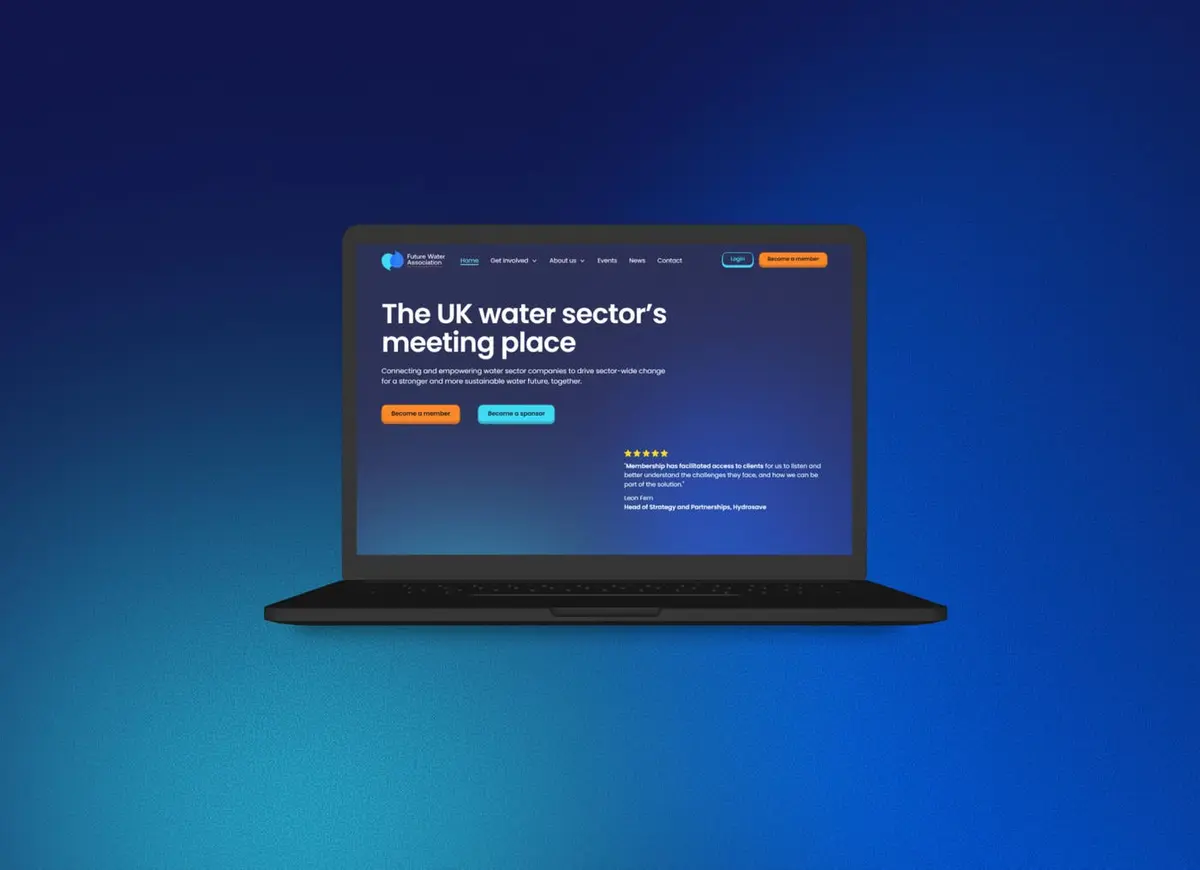
A low-carbon website redesign that modernised FWA’s digital presence. Better user experience, a gated members’ area, massively improved accessibility scores, and a 79% lower carbon footprint.
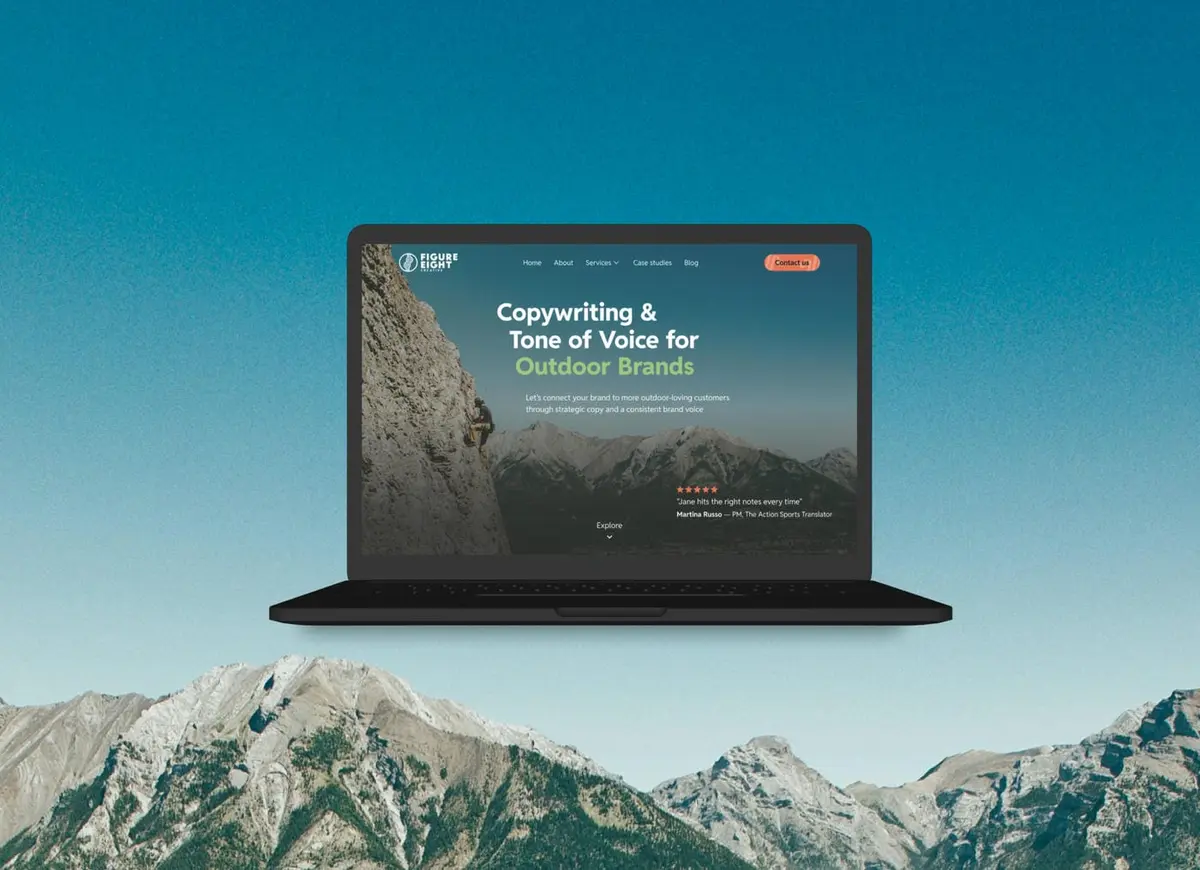
A fast, low-carbon website designed to align with sustainability values while reflecting nature’s energy and adventure, increasing industry confidence and user engagement. Completed for a copywriting and brand voice micro agency.